

Fitbit Air vs Luna Band 2026 – Best Screenless Tracker That Will Surprise You
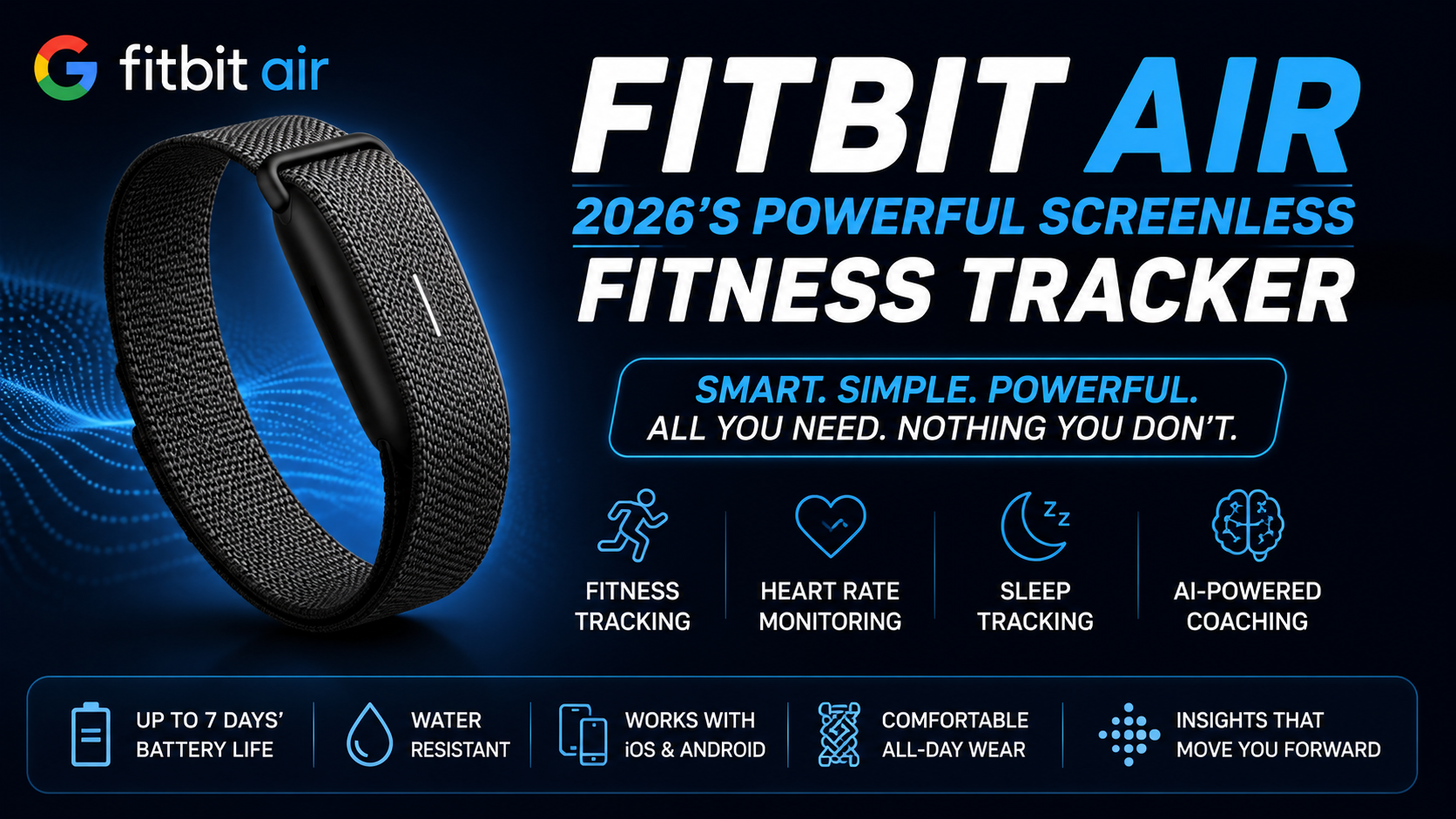
Fitbit Air vs Luna Band 2026 — this is the most interesting wearable comparison of the year and I genuinely mean that. Two brand new screenless fitness trackers, both launched in 2026, both going directly after Whoop’s market share — and both doing it in completely different ways.
I have been tracking both products closely since their announcements and I want to give you a proper breakdown. Not just spec comparisons — but what each one actually means for you depending on how you live, what phone you use, and what you actually want from a fitness tracker in 2026.
📅 Availability Update: Fitbit Air launched May 26, 2026 — available now. Luna Band launches end of July 2026 — Drop 1 is invite-only. This matters if timing is a factor for you.
Fitbit Air vs Luna Band 2026 – Full Breakdown
First – Why Screenless Trackers Are Having a Moment in 2026
Before getting into the Fitbit Air vs Luna Band 2026 comparison directly – it is worth understanding why this category is suddenly getting so much attention.
Smartwatch fatigue is real. A lot of people are done with constant notifications on their wrist, complicated health dashboards, and the pressure to interact with a screen every few minutes. The screenless tracker category — pioneered by Whoop — is built around a different idea: wear it, forget it is there, and check your health data when you actually want to rather than when the device demands your attention.
Sales of screenless wearables grew 88% between 2024 and 2025. Google noticed. Luna noticed. And now in 2026 we have two serious new competitors in the space from very different backgrounds. That is what makes the Fitbit Air vs Luna Band 2026 comparison so interesting — it is not just two products, it is two philosophies.
Meet the Fitbit Air – Google’s Official Whoop Challenger
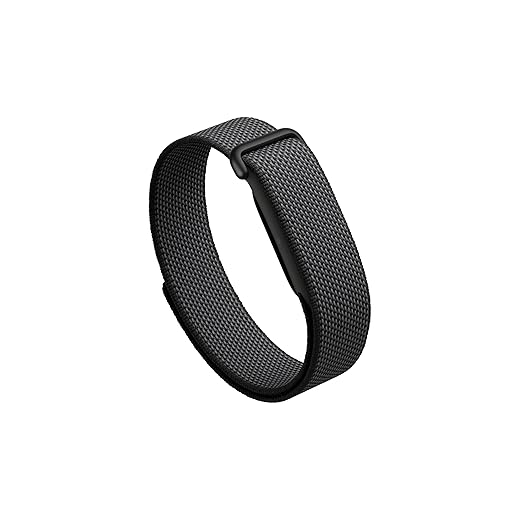
Lightweight health band with 24/7 heart rate, sleep and AI coaching
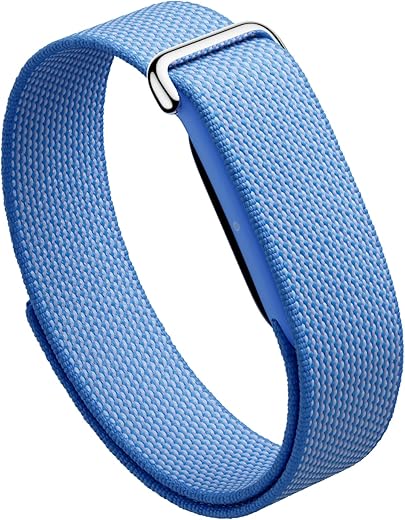
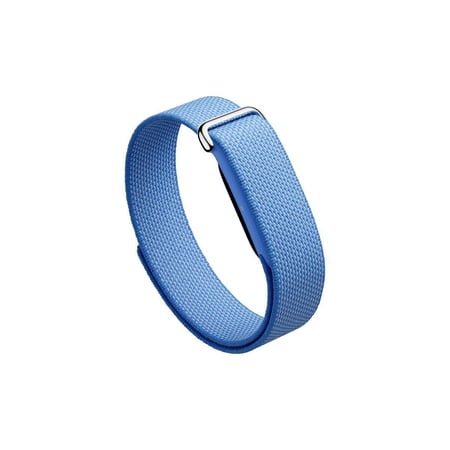
Google Fitbit Air is a screenless activity tracker that continuously monitors fitness, heart rate and sleep, powered by Google Health’s AI coaching; it offers up to 7 days’ battery life, water resistance up to 50 meters and works with both iOS and Android devices in Obsidian color.
Google announced the Fitbit Air on May 7, 2026. It shipped in the US on May 26, 2026. This is the smallest, most affordable Fitbit ever made — a screenless pebble that clips into a soft band and sits on your wrist without ever demanding your attention with a display.
The Fitbit Air pairs with the new Google Health app — which replaces the old Fitbit app — and the AI-powered Google Health Coach analyses your tracked data to provide personalised daily recommendations. This is Google’s most complete health wearable play yet and it shows in the features.
Fitbit Air Full Specs and Features
Lightweight health band with 24/7 heart rate, sleep and AI coaching
Google Fitbit Air is a screenless activity tracker that continuously monitors fitness, heart rate and sleep, powered by Google Health’s AI coaching; it offers up to 7 days’ battery life, water resistance up to 50 meters and works with both iOS and Android devices in Obsidian color.
| Feature | Details |
|---|---|
| Launch Date | May 7, 2026 (announced) | May 26, 2026 (shipping) |
| Screen | None |
| Health Tracking | 24/7 Heart Rate, SpO2, Sleep Stages, HRV, Afib Rhythm Alerts |
| AI Coaching | Google Health Coach — personalised daily recommendations |
| Battery Life | Up to 7 days |
| Fast Charging | 5 minutes = 1 full day of use |
| Subscription | Free tier available | Google Health Premium: $9.99/month (3 months free included) |
| Compatibility | Android 11+ and iOS 16.4+ — full support for both |
| Special Edition | Stephen Curry Edition available |
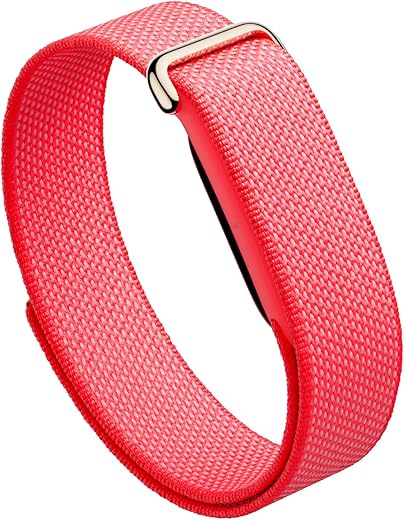
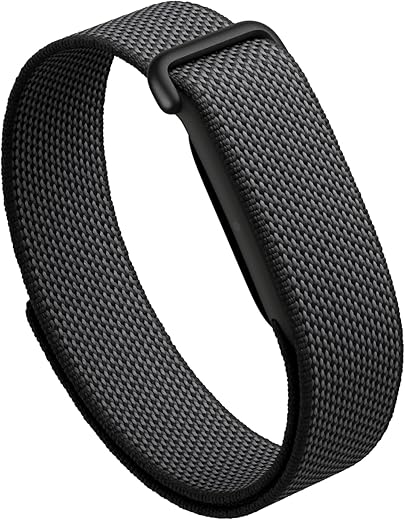
| Band Options | Performance Loop, Active Band, Elevated Modern Band from $34.99 |
| Availability | Available now — US, Australia, expanding |
What Stands Out About the Fitbit Air
The Afib rhythm alert is the first thing I want to highlight — and it is not a minor feature. Afib (atrial fibrillation) is one of the most common heart rhythm disorders and early detection genuinely saves lives. Having this in a $99.99 wearable is significant. Most devices with this feature cost considerably more.
Seven-day battery life is strong. But the five-minute fast charge feature is the one that changes daily behaviour — you lose nothing if you forget to charge overnight. Five minutes in the morning while you get dressed and you have a full day of tracking ahead. That is a very practical design decision.
Full Android and iPhone compatibility is important — not every tracker works equally well on both platforms. The Fitbit Air works fully on both without any feature compromises. Google Health app is available on iOS too.
The free tier is also genuinely functional — basic tracking, sleep data, and activity monitoring without paying anything beyond the device price. Google Health Premium unlocks the full AI coaching experience, personalised recommendations, and deeper health insights at $9.99 per month after the three-month included trial.
Meet the Luna Band – The Voice-First, Subscription-Free Challenger
Luna is a health-tech company that already makes a smart ring — and at CES 2026 in January they unveiled the Luna Band. The moment I read about the voice-first approach and no-subscription-ever pricing, I paid close attention.
The Luna Band is not trying to be Google. It is not trying to be Whoop. It is doing something genuinely different — and the Fitbit Air vs Luna Band 2026 conversation is most interesting precisely because of this differentiation.
Luna Band Full Specs and Features
| Feature | Details |
|---|---|
| Launch Date | End of July 2026 — Drop 1 is invite-only |
| Screen | None |
| Interface | Voice-first — talk to it via Siri on iOS |
| AI Engine | LifeOS — processes thousands of physiological signals per minute |
| Health Tracking | Heart Rate, Body Temperature, Respiratory Rate, Sleep, Stress, Recovery, Hormonal Patterns, Circadian Alignment |
| Subscription | None — ever. One-time purchase only. |
| Battery Life | Not officially confirmed yet |
| Micro-Apps | Training, Stress, Productivity built-in |
| Feedback | Haptic + voice via app |
| Colours | Onyx Black, Aloe Green, Desert Beige, Ember Orange |
| Android Support | Not confirmed — currently iPhone-first |
| Availability | End of July 2026 — invite-only initially |
What Stands Out About the Luna Band
The voice-first interface is the most talked-about feature and rightfully so. You talk to the Luna Band naturally — “I slept badly last night” and it adjusts your workout intensity recommendation for the day. “I’m stressed about a meeting” and it suggests a breathing exercise and pushes your caffeine cutoff notification earlier. This is not the same as pressing buttons on an app. This is a completely different relationship with a health tracker.
The LifeOS engine tracks hormonal patterns — something almost no consumer wearable addresses. For women specifically, tracking how menstrual cycle phases affect sleep, stress, and recovery capacity is genuinely valuable health information that mainstream trackers ignore.
No subscription ever. This is the most financially significant differentiator in the Fitbit Air vs Luna Band 2026 comparison. Whoop costs $199–$239 per year just for the subscription on top of the hardware. Over three years of ownership, a no-subscription device represents real savings. Luna Band’s one-time pricing makes long-term cost predictable and lower.
Four colours at launch — Aloe Green and Desert Beige in particular look nothing like a typical fitness tracker. More like a piece of minimalist jewellery than a sports gadget.
Fitbit Air vs Luna Band 2026 – Head to Head on Every Key Factor
| Category | Fitbit Air | Luna Band |
|---|---|---|
| Availability | Available now | July 2026 (invite only) |
| Screen | None | None |
| Subscription | Free tier + $9.99/mo Premium | None ever |
| Voice Interface | ❌ No | ✅ Yes (Siri) |
| AI Coaching | Google Health Coach | LifeOS (more advanced) |
| Afib Detection | ✅ Yes | Not confirmed |
| Battery Life | 7 days | Not confirmed |
| Fast Charge | 5 min = 1 day | Not confirmed |
| Android Support | ✅ Full | Not confirmed |
| iPhone Support | ✅ Full | ✅ Yes (primary) |
| Hormonal Tracking | ❌ No | ✅ Yes |
| Brand Trust | Google/Fitbit — established | New startup |
| Long-term Cost | Device + optional $9.99/mo | Device only — forever |
| Design Colours | Standard options | More lifestyle-forward |
Fitbit Air – Honest Pros and Cons
What I Like
- Available right now — no waiting
- Afib rhythm detection — a genuine health safety feature
- 7-day battery with 5-minute fast charge — most practical charging setup available
- Full Android and iPhone compatibility — works equally well on both
- Google Health ecosystem — reliable, well-developed, regularly updated
- Free tier is functional — not everything locked behind paywall
- Trusted brand — Google’s long-term software support reliability
What Could Be Better
- Full AI coaching requires Google Health Premium subscription after 3-month trial
- No voice interface — all interaction through app
- Less innovative approach compared to Luna Band’s LifeOS
- India and global pricing not yet confirmed beyond US/Australia
Luna Band – Honest Pros and Cons
What I Like
- Voice-first interaction — genuinely new way to engage with health data
- No subscription ever — most financially transparent pricing in this category
- LifeOS AI coaching — more advanced and personalised than most competitors
- Hormonal pattern tracking — underserved health data for women
- Lifestyle-forward design in four beautiful colourways
- Micro-apps for training, stress, and productivity built in
What Could Be Better
- Not available until July 2026 — and Drop 1 is invite-only
- Android support not confirmed — iPhone-first for now
- Brand new startup — no long-term reliability track record
- Battery life not confirmed — hard to compare directly
- Afib detection not confirmed
Who Should Buy the Fitbit Air?
- You want a tracker you can buy and wear starting this week
- You use an Android phone and need guaranteed full compatibility
- Afib heart rhythm detection is important to you — health safety first
- You trust Google’s ecosystem and want long-term software reliability
- You are okay with a small monthly subscription for premium AI features after the trial
- You want the most practical charging setup — 5 minutes gets you through the day
Who Should Buy the Luna Band?
- You use an iPhone and the voice-first experience genuinely excites you
- You refuse to pay any monthly subscription — now or ever
- Hormonal cycle tracking and advanced physiological insight matters to you
- You want the most innovative AI health coaching approach available in 2026
- You can wait until July 2026 and are comfortable with invite-only initial access
- Design and aesthetic matters — you want a tracker that looks like jewellery
The Real Question — Fitbit Air vs Luna Band 2026
Honestly the Fitbit Air vs Luna Band 2026 decision comes down to one core question: do you prioritise reliability and availability now — or innovation and zero subscription forever?
The Fitbit Air is the mature, practical, available-right-now choice from one of the most trusted health tech companies in the world. It is not the most innovative thing in this comparison. But it is reliable, it works on both platforms, it has Afib detection, and it has Google’s full backing for long-term updates and support.
The Luna Band is the more exciting, more ambitious product. The voice-first coaching, no-subscription model, hormonal tracking, and LifeOS AI are genuinely ahead of what Fitbit Air offers on paper. But it has not shipped yet, Android support is unconfirmed, and it is a startup’s first wrist-worn product.
My personal take – if I needed a screenless tracker today, I would buy the Fitbit Air. If I have budget and patience and use an iPhone — I would buy the Fitbit Air now and seriously consider the Luna Band when it ships in July 2026 and early reviews come in. The two products are not mutually exclusive for the right buyer.
Check Fitbit Air availability on Amazon right now — it is in stock and shipping.
Also check my posts on Keysmart Smartcard Gen-3 for more recommendations.
Final Ratings
Fitbit Air — 8.5/10
Practical, reliable, available now. Best choice for Android users and anyone who values proven ecosystem over cutting-edge innovation.
Luna Band — 8/10 (pending shipping)
Most innovative screenless tracker concept of 2026. No subscription, voice-first, hormonal tracking. Best choice for iPhone users willing to wait and take a calculated risk on a new brand.
In the Fitbit Air vs Luna Band 2026 battle — both earn their spots. The fitness tracking category has never looked more interesting.
Fitbit Air pricing starts at $99.99 USD. Luna Band pricing not confirmed for all regions. All information based on official announcements and review data as of May 2026. Verify current availability and pricing before purchasing.

 Amazon.com
 Amazon.com
 Amazon.com
 Walmart.com
 Walmart.com
 Amazon.com
 Amazon.com
 Walmart.com
 Walmart.com
 Walmart.com
 Walmart.com